What to do if a child or pet is locked inside a car
Stay calm and assess the situation first
Discovering that a child or pet is locked inside a car is a frightening moment. The natural reaction is panic, but the best thing you can do is take a breath and think clearly. Time is important, but so is making the right call. A locked car can heat up fast, even on a mild day, so every minute counts. But rushing into the wrong solution can make things worse. Start by checking the conditions: is the car parked in direct sun? Is the engine running or off? Is the child or pet showing signs of distress? These details will guide your next steps.
If the engine is running and the car is locked, the situation has extra risks. Carbon monoxide from a running engine can build up inside the cabin, especially if the car is in an enclosed space like a garage. Even in an open driveway, a running car can overheat or run out of fuel, which creates its own set of problems. On the other hand, a car that is off and parked in shade will heat up more slowly. That gives you a little more time to think through your options. In either case, do not assume you have plenty of time. A car interior can reach dangerous temperatures in under ten minutes, even when the outside temperature feels comfortable. Locked Keys in Car Toronto
Your first instinct might be to break a window. That is sometimes the right move, but it is not always the only one. A professional locksmith can often open a locked car door quickly and without breaking glass. That is where a service like Locked Keys in Car Toronto comes into the picture. A mobile locksmith can reach your location and use specialised tools to pop the lock or open the door without damaging the car. If the child or pet is not in immediate danger, this is often the safest option. No broken glass, no sharp edges, and no risk of injuring anyone inside the car with flying shards.
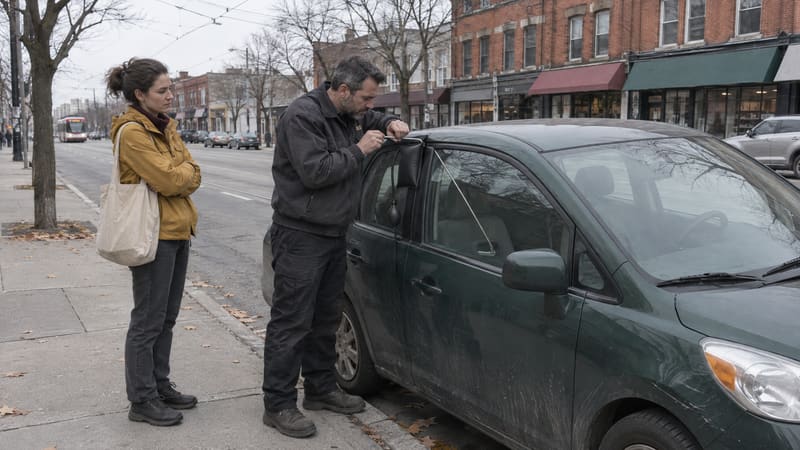
But if the child or pet is already showing signs of heat stress, or if the car is heating up fast, do not wait for a locksmith. Call emergency services right away. Firefighters and paramedics are trained to handle these situations and can break a window safely. Tell them the make and model of the car, where it is parked, and how many people or animals are inside. They will also want to know if the engine is running. Giving clear, accurate information helps them decide the fastest way to get the door open.
While you wait for help, there are a few things you can do. If the car is in direct sun, try to shade the windows. A blanket, a piece of cardboard, or even your own body can block some sunlight. Do not leave the car unattended. Stay close enough to monitor the child or pet, but keep yourself safe from heat or traffic. If you have a second person with you, one of you can go to meet the locksmith or emergency responders while the other stays with the car. That way no time is lost when help arrives.
If you decide to break a window yourself, choose the window farthest from the child or pet. That reduces the chance of glass hitting them. Use a heavy object like a hammer, a rock, or a tire iron. Aim for the corner of the window, not the centre. Tempered glass is strongest in the middle and weakest at the edges. A sharp blow near the edge will shatter the pane. Once the glass is broken, clear the frame as best you can before reaching in to unlock the door. Wear gloves or wrap your hand in cloth if possible. Even after breaking the glass, the edges can be sharp.
Another option is to use a tool designed for breaking car windows. Emergency escape tools with a spring-loaded centre punch can break a window with very little force. Some of these tools also have a seatbelt cutter. If you carry one in your car, you already have the means to get in quickly. These tools are inexpensive and widely available. Keeping one in your glove compartment is a simple precaution that can save precious minutes in an emergency.
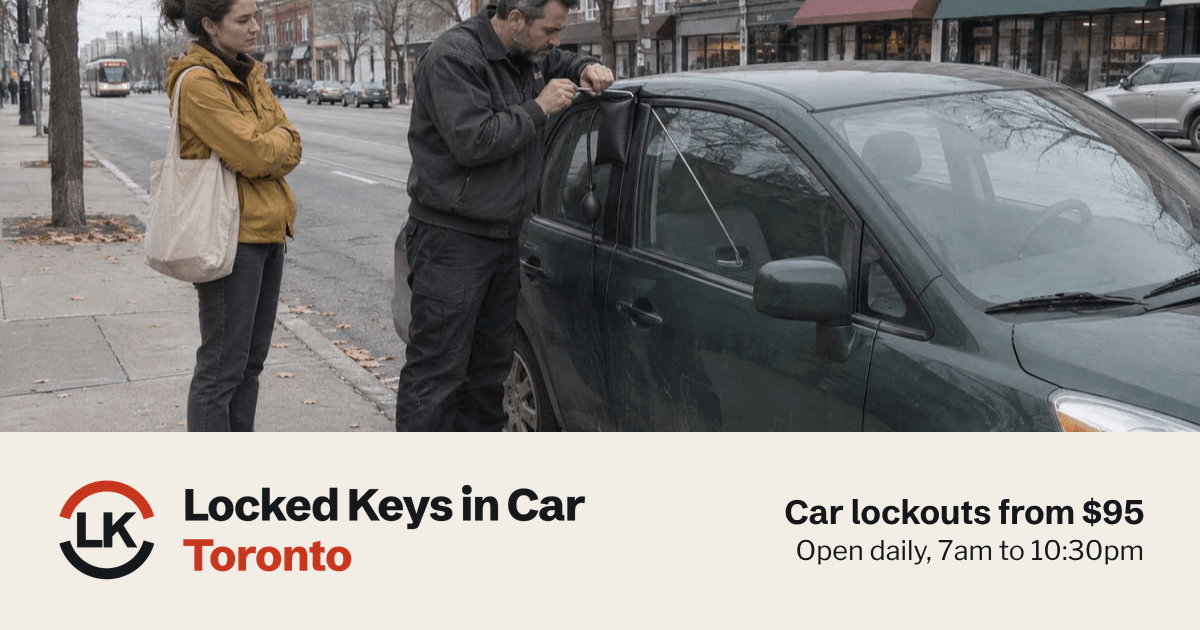
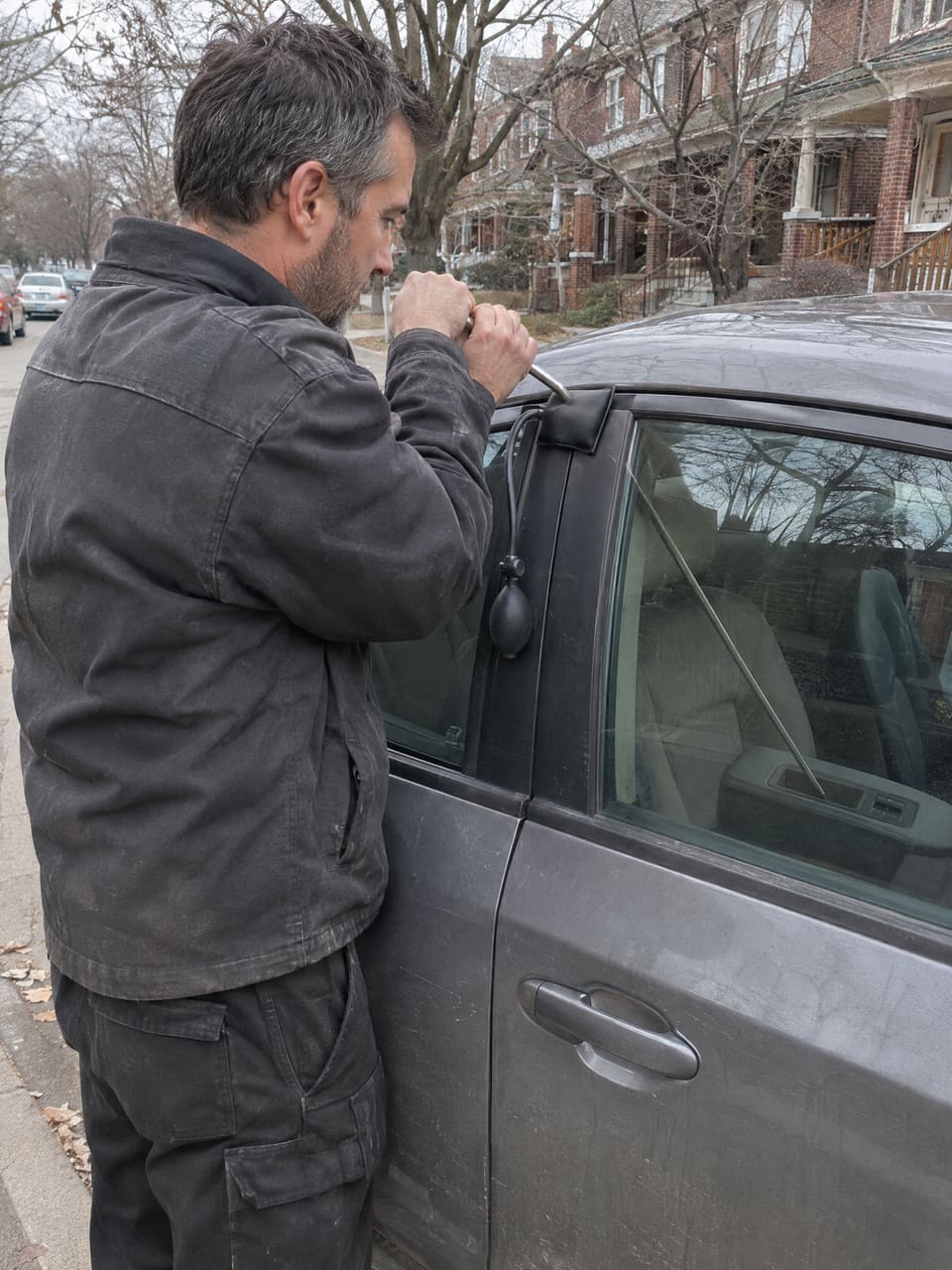
If the car door is just locked and the keys are inside, but the child or pet is not in danger, a mobile locksmith is usually the best choice. A locksmith can open the door without breaking anything, which saves you the cost of replacing a window and avoids the mess. For drivers in the Toronto area, Locked Keys in Car Toronto is a service that specialises in exactly this kind of situation. They come to you, whether you are at home, at a shopping centre, or on the side of the road. The locksmith will assess the lock type and use the right tool to get the door open. Most of the time, the whole job takes just a few minutes.
What if the car has a child safety lock engaged from the inside? Some cars have a feature that prevents the rear doors from being opened from the inside. That is meant to keep children from opening the door while the car is moving, but it can also trap a child inside if they accidentally engage it. In that case, even if the child is old enough to understand instructions, they might not be able to get out on their own. A locksmith can work around that mechanism, but you might also be able to reach the child from the front seat and manually unlock the door. If the child is old enough, you can guide them through the process of pulling the door handle from the inside. Stay calm and speak in a clear, reassuring voice.
Pets present a different challenge. A dog or cat cannot follow verbal instructions, and they may panic when they see you outside the car. That panic can make them more likely to get hurt if you break a window. If you can, try to get the pet to move to the opposite side of the car before you break the glass. If the pet is small enough, you might be able to reach through a gap in a partially open window and unlock the door manually. Some cars have a manual release on the inside of the door that a person could reach, but a pet cannot. If you can open the door from the inside by reaching through a small gap, that saves the window entirely.
Once the child or pet is out, check for signs of heat exhaustion or distress. If they seem overheated, move them to a cool, shady spot and offer water. If they show signs of severe heat stress, such as vomiting, confusion, or difficulty breathing, seek medical help immediately. Even after they are out of the car, the effects of heat can continue. Do not assume they are fine just because they are out. Watch them closely for the next hour or so.
After the situation is resolved, take a moment to think about prevention. Make a habit of keeping your keys in your pocket or bag, not in the car. If you have a child in the car, leave your phone or your shoe in the back seat so you have a reason to look back there before you lock the door. Many modern cars have a feature that prevents the doors from locking if the keys are still inside, but not all do. Test your own car to see if it has that feature. If it does not, consider keeping a spare key somewhere accessible, or carry an emergency window breaker tool. Small habits and a little foresight can keep a bad moment from becoming a crisis.